




11
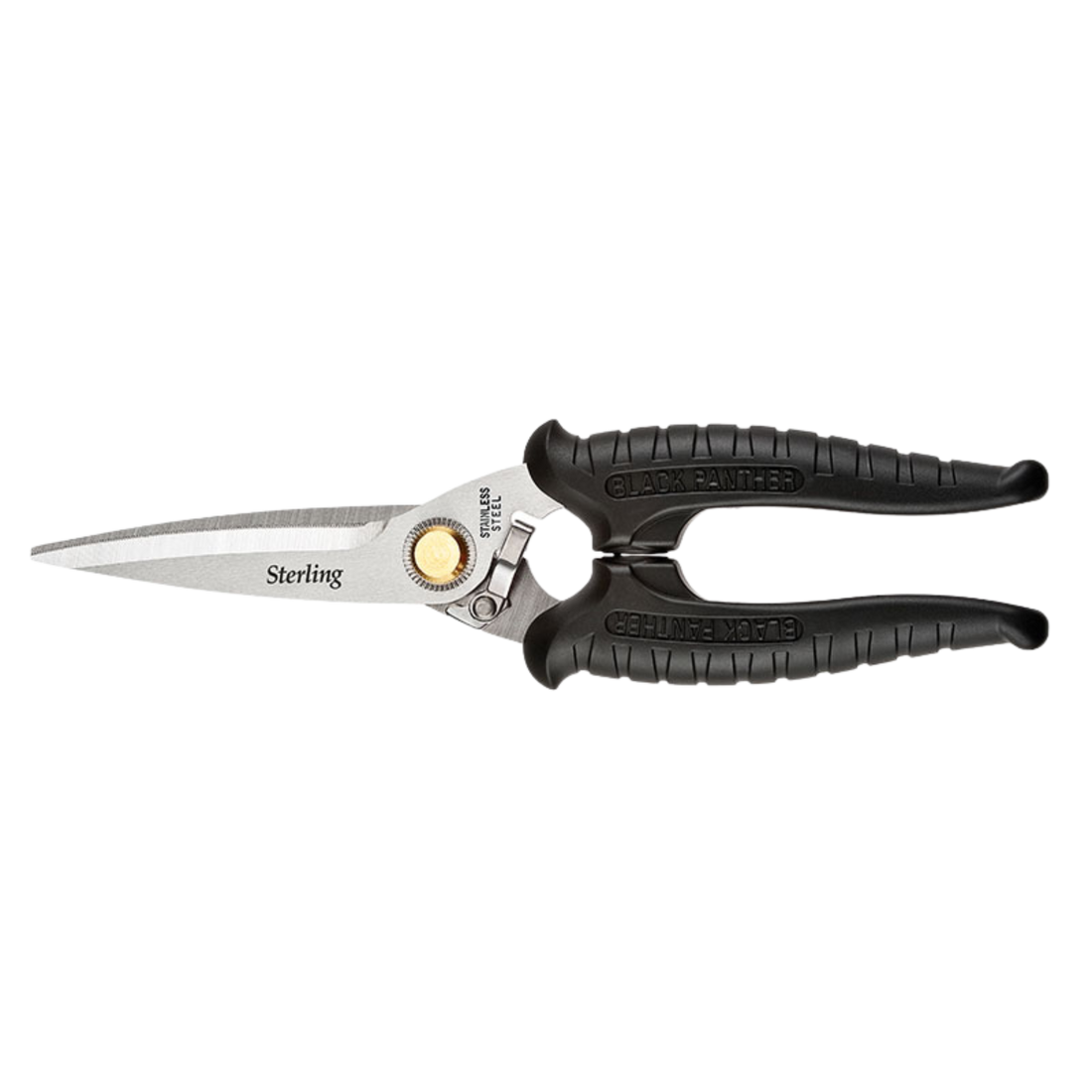

Use 200mm Black Panther Industrial Snips for: Cutting through tough sheet materials like aluminium, vinyl, and plastic with precision and comfort
The 200mm Black Panther Industrial Snips are engineered for professional trades who need reliable, high-performance cutting tools. Featuring ergonomically designed black comfort grip handles and serrated stainless steel blades, these snips are ideal for cutting through tough sheet materials in industrial, automotive, and construction settings. The serrated edge provides extra grip on slick surfaces, improving cutting accuracy and safety. Whether you're in HVAC, roofing, cladding, or general construction, these snips offer versatility and comfort for extended use on site.
Key Features of 200mm Black Panther Industrial Snips
- Ergonomic black handles ensure a secure and comfortable grip for prolonged use
- Stainless steel serrated blades enhance cutting control on slippery materials
- Ideal for cutting through metal sheets, vinyl, and other industrial materials
- Durable 200mm (8") size fits perfectly in hand for trade use
Technical Overview
- Chemical Properties: Stainless Steel, Non-corrosive
- Application Temperature Range: -10°C to 60°C (14°F to 140°F)
- Blade Length: 75mm (3″)
- Handle Material: Thermoplastic rubber overmould
- Total Length: 200mm (8″)
Trade Professional Information
- Required Tools: None – handheld cutting tool
- Trade-Specific Tips: For best results, use firm steady pressure to let the serrated blade do the work without excessive force
- Common Issues and Solutions: If blades become dull, sharpen using a fine metal file or replace the unit for optimal performance
Storage and Shelf Life
- Storage Requirements: Store in dry toolboxes or pouches to prevent blade corrosion
- Shelf Life Information: Indefinite with proper storage
- Temperature Considerations: Avoid extreme heat exposure to preserve handle integrity
Certifications
- Manufactured in accordance with ISO 9001 Quality Management Systems
- Meets Australian Safety Standards for hand tools
Frequently asked questions
Can these snips cut stainless steel sheeting?
Yes, the serrated stainless steel blades are designed for tough applications, including stainless steel sheeting. For very thick materials, a specialised snip might be necessary.
Do the serrated blades dull quickly?
The serrated edge provides increased longevity compared to smooth blades. Regular sharpening or replacement is typically only required with heavy-duty, consistent use.
Are these snips suitable for left-handed users?
While not specifically left-handed, the ergonomic handle design offers comfortable control for both left- and right-handed tradespeople during use.
Can these snips cut hardened steel?
No, these industrial snips are not designed for cutting hardened steel or bolts. Using them on such materials will damage the blades and void any warranty.
How should I dispose of old snips?
Dispose of old or damaged snips at a local scrap metal recycling centre. Ensure the blades are securely taped before disposal to prevent injury.
Applications and benefits
| Application | Key benefit | Primary trades |
|---|---|---|
| HVAC ductwork trimming | Delivers precise, clean cuts on thin metal sheeting, reducing burrs and fitment issues. | HVAC technicians, Sheet metal workers |
| Roof sheeting and cladding modification | Serrated blades maintain grip on slick surfaces, preventing material slippage for accurate cuts. | Roofers, Plumbers, General builders |
| Cutting vinyl flooring or automotive wrap | Provides a controlled cut on flexible materials without tearing, aiding professional finishes. | Flooring installers, Automotive detailers |
| Plastic panel work (e.g., polycarbonate, ABS) | Cuts through various plastics cleanly, minimising cracking or splintering for fabrication. | Fabricators, Sign makers, Shopfitters |
How to apply 200mm Black Panther Industrial Snips:
- Position the material securely on a flat surface
- Align the snip blades with the cutting line
- Squeeze handles firmly and make smooth, continuous cuts
- Clean blades after use to prevent build-up of residue
Product limitations
- Not for: Cutting hardened steel or bolts. This will damage the blades and reduce tool lifespan.
- Caution: Blade dulling may occur more rapidly when used on abrasive composite materials.
- Not a substitute for: High-force cutting tasks typically handled by dedicated tin snips or bolt cutters.
Safety and handling
Personal protective equipment
Always wear safety gloves to protect hands from sharp edges and eye protection to guard against flying debris.
Handling
Use a firm grip and do not force the tool when cutting dense materials. Keep fingers and other body parts clear of the blade path during operation.
Storage and disposal
Store snips in a dry environment to prevent corrosion. When disposing of old or damaged snips, tape the blades securely and take them to a local scrap metal recycling centre.
Substrate guide
Proper substrate recognition ensures efficient cutting and extends the life of the snips.
Aluminium sheeting
Surface prep: Ensure the surface is clean of heavy oils or debris. Mark cut lines clearly.
Primer: Not required.
Vinyl (flooring, wrapping film)
Surface prep: Material should be flat and free of wrinkles. Clean surfaces improve visibility of cut lines.
Primer: Not required.
Plastics (polycarbonate, acrylic, ABS)
Surface prep: Maintain a clean cutting area. Plastics prone to scratching benefit from protective film remaining until cut.
Primer: Not required.
Thin steel sheeting
Surface prep: Remove loose rust or burrs that could impede blade action. Ensure the material is stable.
Primer: Not required.
200mm Black Panther Industrial Snips Physical Properties
| Property | Value |
|---|---|
| Overall Length | 200 mm (8 inches) |
| Blade Material | Stainless Steel |
| Handle Grip Material | Thermoplastic Rubber |
| Colour | Black |
| Application Temperature Range | -10°C to 60°C |
| Storage Temperature Range | 5°C to 40°C |
| Certifications | ISO 9001 |
- Choosing a selection results in a full page refresh.