





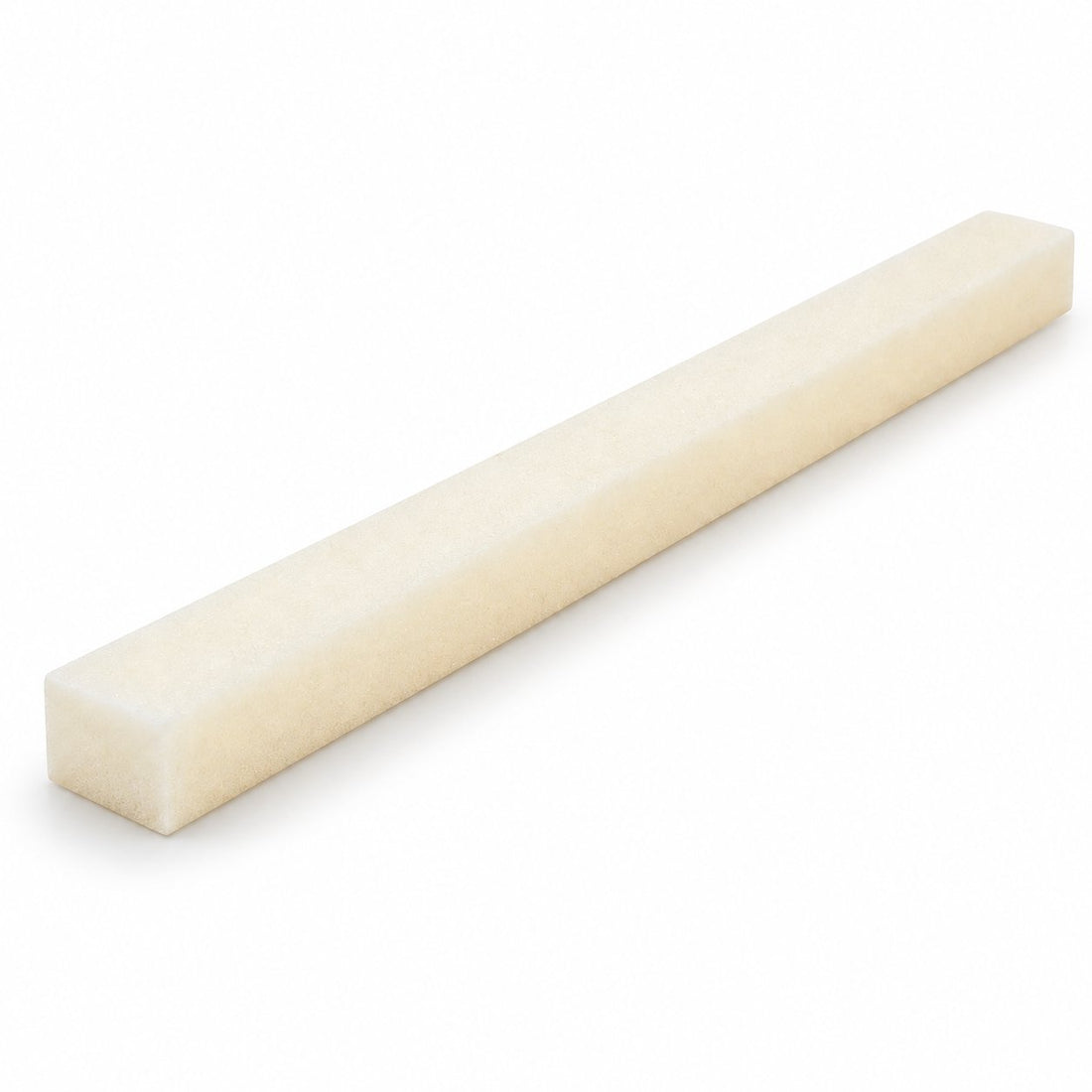

Open Cell Backing Rod – Square is a square-profile, compressible foam backing for rectangular construction and expansion joints. It sits behind a compatible sealant bead to control its thickness and prevent the sealant adhering to the back of the joint, allowing it to move between the two joint faces.
Choose the square profile when the joint geometry and specified sealant design favour a flat-sided backing rather than a round rod. Its open-cell structure is breathable and does not present the trapped-gas risk associated with puncturing the outer skin of closed-cell backing rod.
Where to use it
- Rectangular concrete panel gaps: establishing a uniform sealant backing within suitable straight-sided joints.
- Precast and tilt-up connections: depth control behind correctly specified flexible joint sealants.
- Window and door perimeters: supporting non-structural perimeter seals where a square foam profile fits the detail.
- Masonry movement joints: separating the rear of a sealant bead from the joint cavity.
Choosing the right backing
Match the foam dimensions, compression and installation depth to the sealant manufacturer's joint design. A backing rod is not a waterproof seal by itself. Compared with round open-cell backing rod, this square version is intended for joints where its rectangular section is helpful; for damp horizontal applications compare closed-cell backing rod as appropriate.
Do not expose the foam directly to UV or use in chlorine-exposed pool joints without compatibility evidence. Follow the sealant and backing material's heat limits for hot-applied systems.
What is square open-cell backing rod used for?
It controls sealant depth and prevents three-sided adhesion in square or rectangular joints.
Why use open-cell foam?
The open-cell structure allows gas and moisture movement behind the sealant and avoids puncture-related outgassing.
Where is the square profile useful?
In square and rectangular construction joints where a flat backing profile is easier to position consistently.
Does backing rod replace the sealant?
No. It sits behind the compatible sealant to control geometry and act as a bond breaker.
- Square and rectangular joints in concrete and masonry.
- Precast panel joints.
- Window and glazing joints.
- Bridge and civil construction joints.
- Other compatible sealant joints requiring square-section depth control.