
Download Product Data
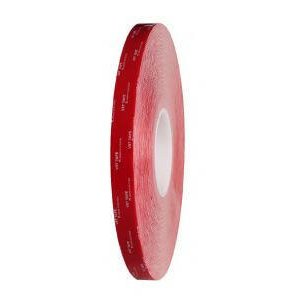
For high-strength bonding applications where a transparent, clean finish is required, Acribond Acrylic Double Sided Foam Tape achieves a structural-style bond through a pressure-sensitive acrylic adhesive. The tape relies on viscoelastic flow to wet out the surfaces and build a permanent bond over time.
How it works
Acribond is a pressure-sensitive tape that requires physical force to initiate the bonding process. Applying pressure of approximately 100kPa (15psi) with a roller or flat-surface tool forces the acrylic adhesive into the microscopic valleys of the substrate. Once applied, the adhesive flows chemically onto the surface, increasing the contact area and bond strength over a 72-hour period.
Numbers that matter
- 100kPa (15psi) pressure: The mechanical force required during installation to activate the adhesive and ensure proper contact with the substrate.
- 50% bond strength after 20 minutes: The high initial adhesion window that holds parts in place immediately after application.
- 72-hour full cure: The time required at ambient temperatures for the adhesive to complete its flow and reach its full bonding potential.
- 21°C to 35°C application range: The optimal temperature window that allows the adhesive to flow correctly; colder temperatures restrict this flow.
Limitations
- Porous substrates: Porous materials must be completely sealed with a suitable primer or sealer before the tape is applied to prevent the adhesive from soaking into the material and failing.
- Cold weather limits: This tape is best applied between 21°C and 35°C. If you must apply tape at lower temperatures, the Acribond A3000 series is required.
Surface preparation
To prevent bond failure, clean both surfaces with an isopropyl alcohol (IPA) and water mix, or a similar clean solvent. If oil, grease, or mould release agents are present, pre-treat the surfaces with Acribond Prep.
Lightly abrade both substrates with a scourer pad to remove surface oxidation, dirt, or corrosion and increase the mechanical bonding area. After abrading, wipe the surfaces down a second time with your cleaning solvent using a clean, lint-free cloth. Always wipe in a single direction to avoid spreading contaminants back across the bonding zone.
Uses
- Permanent fixing of signs and nameplates
- Mounting car body side mouldings and badges
- Bonding acrylic and glass displays
- Replacing mechanical fasteners (rivets, screws, etc.) for a cleaner finish
- Gasketing and sealing applications
- Shock and vibration absorption
Benefits
- Creates strong and durable bonds
- Provides a clean, aesthetically pleasing finish with invisible bond lines
- Offers exceptional resistance to harsh weather conditions and UV exposure
- Conforms to uneven surfaces for a secure bond
- Versatile solution for a wide range of bonding applications
